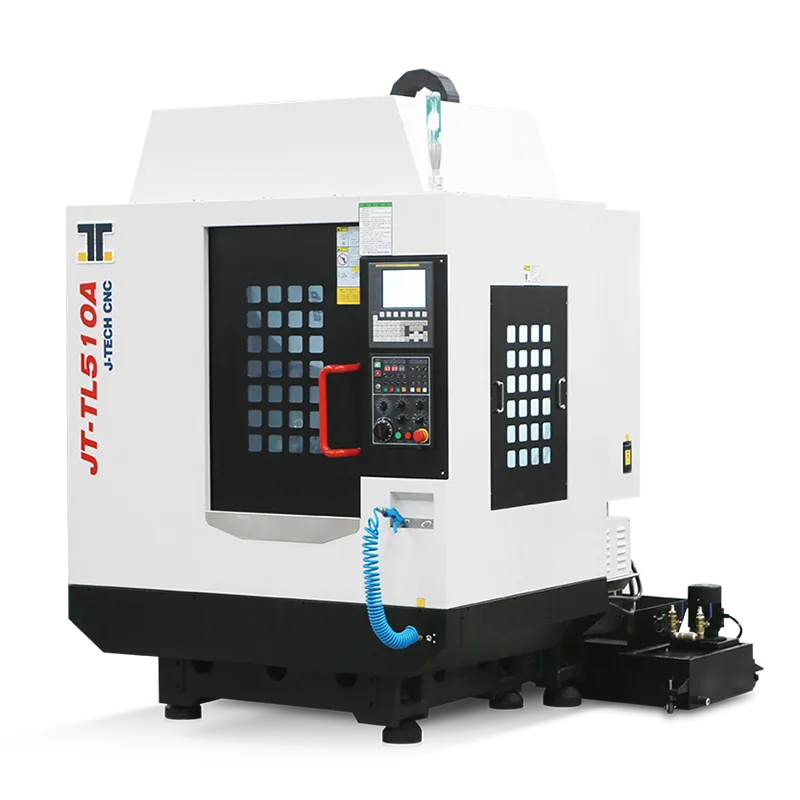
JT-TL510A
High-speed drilling, tapping and milling for 3C metal housings and small precision parts.
BT30 · 20000rpmMetal Machining Equipment
CNC equipment for 3C metal structures, automotive parts, precision molds, medical components, aerospace parts and large structural components.
High-speed drilling, tapping and milling for 3C metal housings and small precision parts.
BT30 · 20000rpm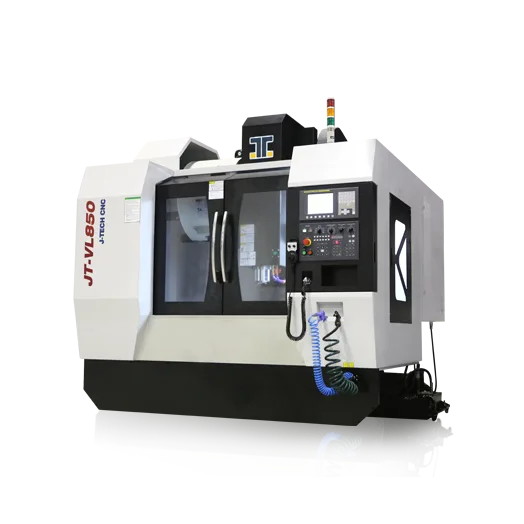
Vertical machining center for aluminum, molds, automotive parts and medical components.
BT40 · 48m/min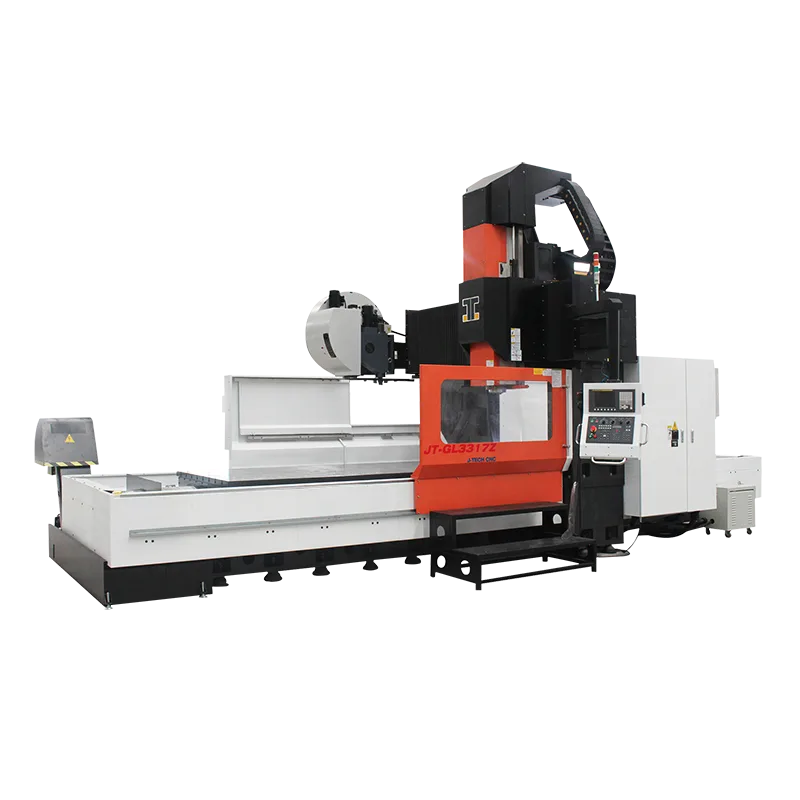
Gantry machining center for large molds, structures and heavy cutting.
Gantry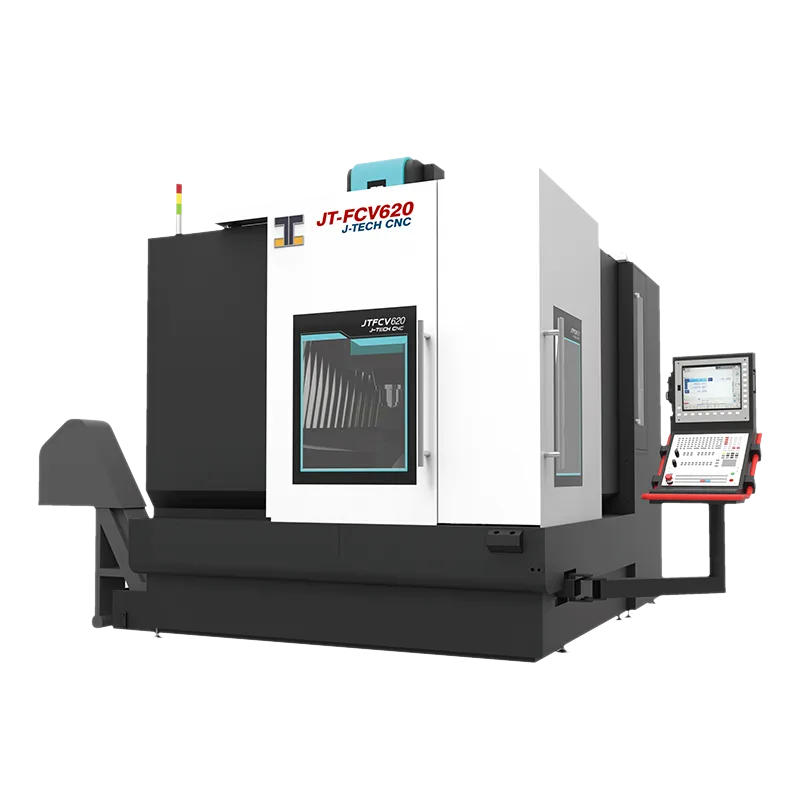
Five-axis machining center for complex surfaces and high-value precision parts.
Five-axisWorkpiece Match
Metal equipment selection depends on part size, material removal rate, hole/tapping quantity, clamping method and contour complexity.
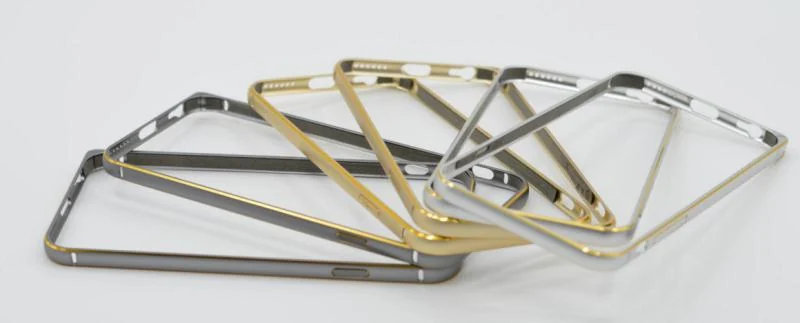
JT-TL510A / TL Series
These parts require high-speed drilling, tapping and light milling efficiency.
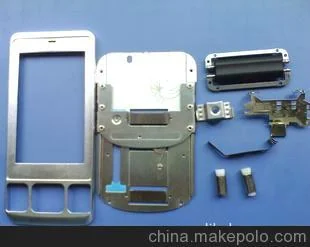
JT-VL850 / VL Series
General precision parts need rigidity, accuracy, finish quality and flexible changeover.
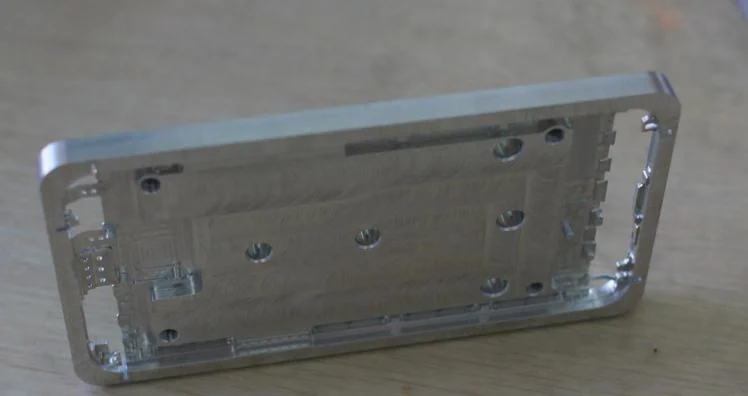
JT-GL3013Z / Gantry Series
Large workpieces need travel, load capacity and heavy-cutting stability.
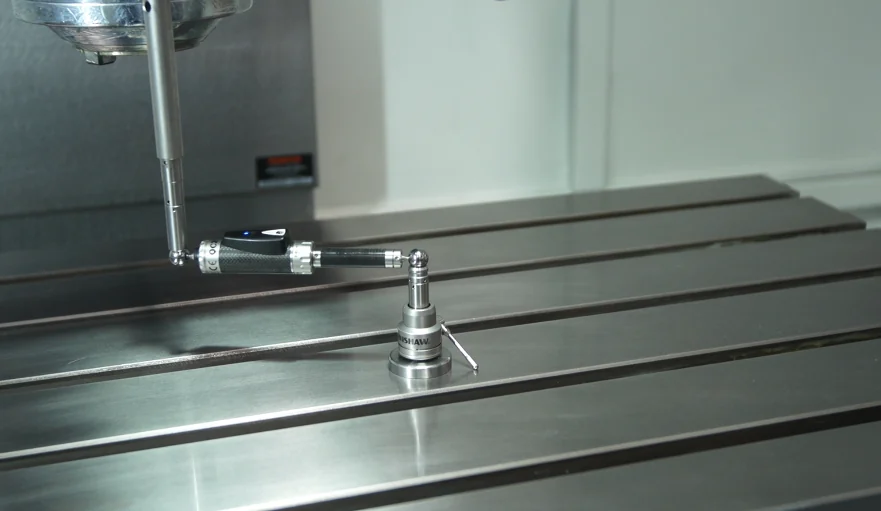
JT-FCV620 / Five-axis Series
Complex parts benefit from multi-angle machining and fewer setups.